




.jpg)
RNE and Fire Protection Systems: Technical Requirements for Buildings in Peru
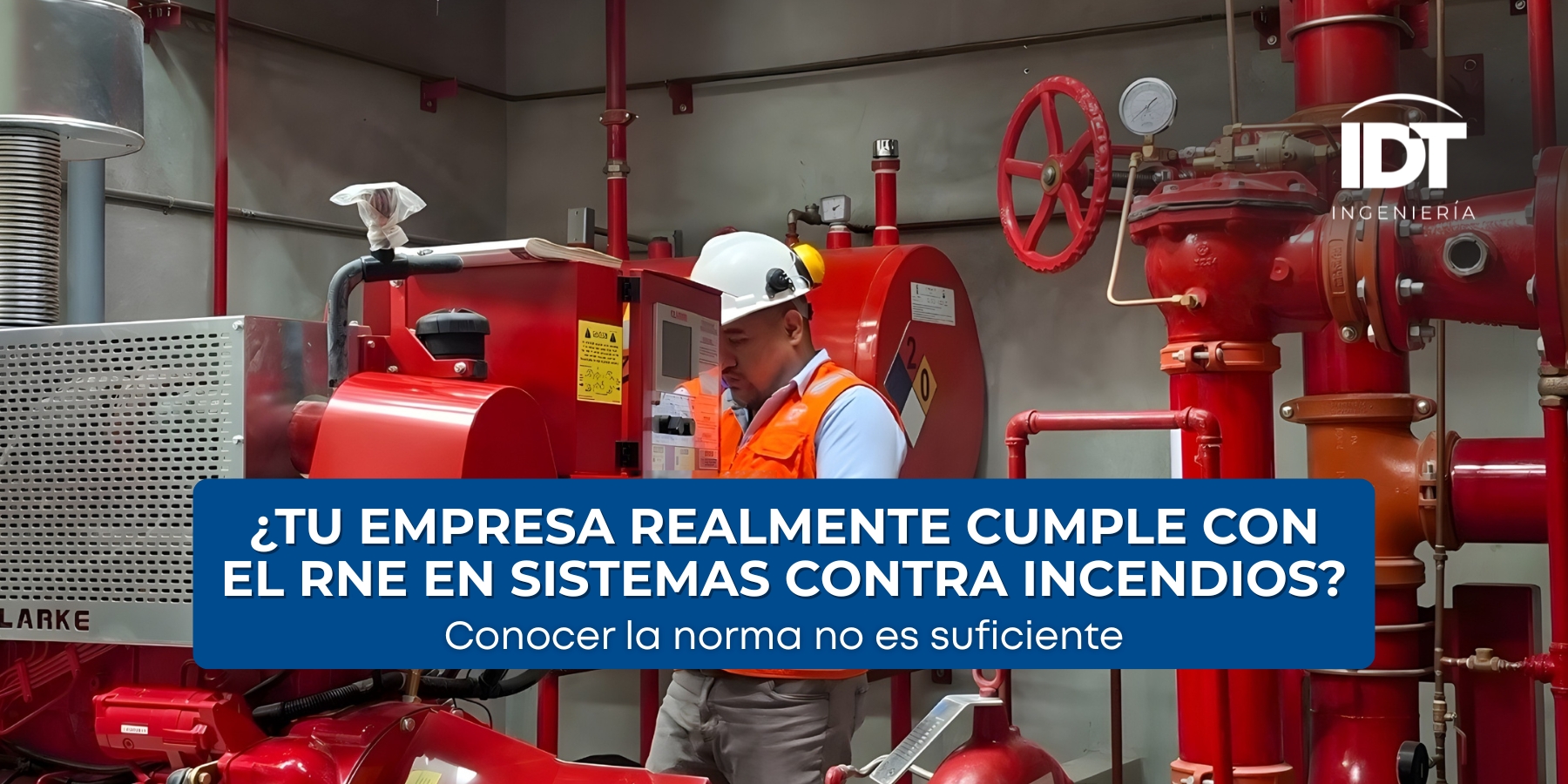
Fires don’t just threaten lives—they can disrupt operations, damage critical assets, and compromise business continuity. That’s why Peru’s National Building Regulations (RNE) establish mandatory technical standards for designing, installing, and maintaining fire protection systems.
At IDT Ingeniería, with over 14 years of experience delivering integrated fire and life safety solutions, we know regulatory compliance isn’t just a legal box to check—it’s a strategic investment in reliability, resilience, and long-term operational safety.
RNE Classification by Building Use Group
Every fire protection system must be designed based on the building’s risk profile. The RNE classifies structures into Use Groups, and each group dictates the minimum fire protection requirements.
RNE Technical Classification Table
| Group | Description | Examples | Risk Level | Common Required Systems |
|---|---|---|---|---|
| A – Housing | Permanent residences | Houses, apartments | Low / Medium | Portable extinguishers, standalone detectors, hydrants (depending on height) |
| B – Lodging | Temporary accommodation | Hotels, hostels | Medium | Alarms, detectors, sprinklers in critical zones |
| C – Commerce | Retail activities | Stores, malls | Medium / High | Alarms, detectors, sprinklers in storage, fire hose cabinets |
| D – Services | Administrative / customer service | Offices, clinics, private schools | Medium | Detection, signage, interior hydrants |
| E – Education | Educational buildings | Schools, institutes | Medium | Detectors, alarms, enhanced evacuation routes |
| F – Culture & Entertainment | High-occupancy venues | Theaters, cinemas | High | Detection, sprinklers, specialized suppression |
| G – Health | Medical care facilities | Hospitals, ICUs | Medium / High | Advanced detection, sprinklers, hose cabinets |
| H – Transportation | Transit and passenger infrastructure | Airports, terminals | Medium / High | Hydrants, sprinklers, smoke control systems |
| I – Industry | Industrial processes | Factories, plants | High / Very High | Sprinklers, alarms, foam systems, early warning detection |
| J – Storage | High fuel load | Warehouses, logistics hubs | Very High | Sprinklers, foam systems, high-sensitivity detection |
| K – Special Risk | Extreme hazard | Chemicals, fuels | Critical | Clean agent systems, specialized suppression |
| M – Others | Mixed or unique uses | Special facilities | Variable | Based on combined risks |
Detection and Alarm Systems
Early detection is the core of any fire protection strategy. The RNE requires systems capable of sensing, alerting, and communicating fire events within seconds. This includes:
- Automatic smoke, heat, or flame detectors
- Manual pull stations
- Audible and visual notification appliances (sirens and strobes)
- Addressable fire alarm control panels
- Emergency Communication Systems (ECS) for large-occupancy buildings
All components must be selected and installed according to the building’s risk level and operational environment.
Fire Suppression Equipment
The RNE defines suppression requirements based on fuel load, hazard level, and facility type. Common systems include:
- Portable extinguishers: Immediate response to small fires
- Automatic sprinklers: Automatic control of fires in early stages
- Fire hose cabinets (wet standpipe): Continuous water supply for trained staff or firefighters
- Foam systems: Essential for flammable liquid hazards
- Clean agent systems (FM-200, Novec 1230, Inergen): Ideal for data centers and sensitive equipment rooms
- CO₂ and aerosol systems: Effective for enclosed or electrical spaces
Water Supply Requirements
A fire protection system is only as reliable as its water supply. The RNE specifies minimum storage capacity, pressure, and flow requirements, including:
- Electric and diesel fire pumps
- Wet and dry standpipe systems
- Siamese fire department connection (FDC)
- Internal and external hydrants
A properly designed water supply ensures continuous system performance during peak demand.
Documentation and Required Maintenance
To comply with the RNE, systems must be installed by accredited companies and supported by:
- As-built drawings
- Design and hydraulic calculations
- Testing and commissioning protocols
- Operating certificates
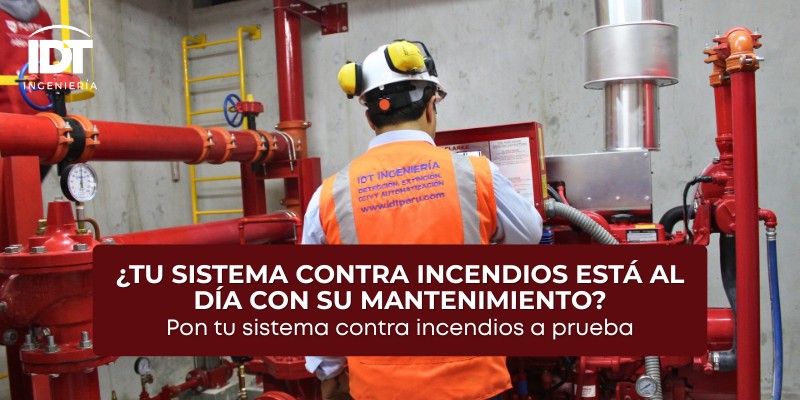
- Preventive and corrective maintenance programs
These documents ensure transparency, traceability, and technical validity for the entire lifecycle of the system.
Why RNE Compliance Matters
- Safer environments for people and assets
- Lower legal and operational risk
- Stronger business continuity
- Long-term infrastructure protection
- A more trustworthy and professional corporate image
IDT Ingeniería: Integrated Fire Protection Services
We provide end-to-end fire protection solutions tailored to each industry:
- RNE-compliant design and engineering
- Installation, upgrades, and modernization
- Preventive, corrective, and predictive maintenance
- Technical audits and fire risk assessments
- Specialized training and on-site support
Our goal is to deliver safe, efficient, and sustainable fire protection systems across all types of facilities.
Need an RNE-Compliant Assessment or System Design?
Our team is ready to support your project with expert engineering and strict regulatory alignment.
Contact us to strengthen the safety and resilience of your operations.
.jpg)
.png)
.jpg)


 (1000 x 600 px) (800 x 400 px).jpg)


